SA Advances Priority Green Hydrogen Deals in Saldanha Bay
South Africa moves from ambition to delivery with the Green Hydrogen Deal Book and Phelan Green Group’s $100M sustainable aviation fuel plant in Saldanha.
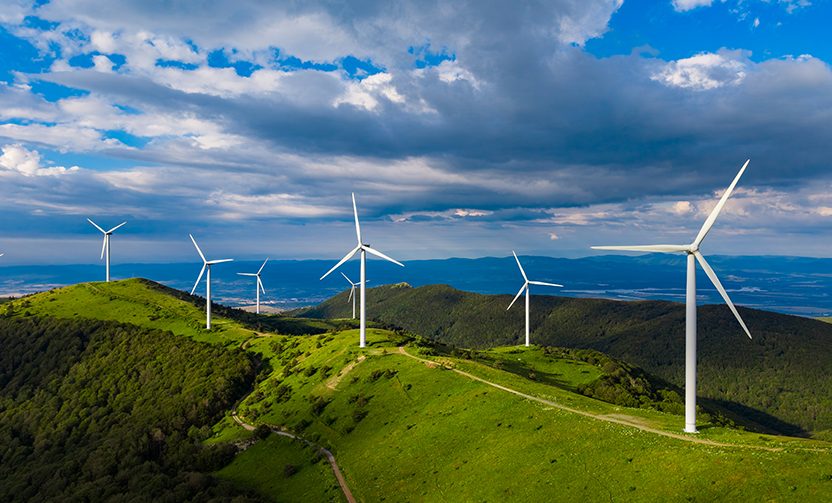
South Africa moves from ambition to delivery with the Green Hydrogen Deal Book and Phelan Green Group’s $100M sustainable aviation fuel plant in Saldanha.
As the world shifts towards lower-carbon industry, South Africa has a chance to do more than export raw materials. It can start producing the fuels and industrial goods that global markets increasingly want.
Green hydrogen, made by splitting water with renewable electricity, could help decarbonise steelmaking, chemicals and aviation. For South Africa, it offers a route to turn sun, wind, mineral wealth and industrial know-how into higher-value products, new skills and exports.
For years this was mostly a national ambition. Now projects and partnerships are starting to give it substance.
From ambition to investment
In September, at the African Green Hydrogen Summit in Cape Town, government named its first six priority green hydrogen projects and launched the National Green Hydrogen Deal Book. The projects span sustainable aviation fuel, green ammonia, methanol, low-carbon iron and smaller-scale hydrogen for domestic use. They include the Coega Green Ammonia Project in the Eastern Cape and a hydrogen-based iron project at Saldanha Bay. The Deal Book is designed to put these projects in front of investors, financiers, technology partners and prospective buyers.
Leading the group is Phelan Green Group’s electro-sustainable aviation fuel project in Saldanha Bay. It has reached a final investment decision, secured an offtake agreement and committed US$100 million in equity to its first phase, which is designed to produce about 35,000 tonnes of synthetic jet fuel a year. Construction is expected to start in the first quarter of 2027, with first exports targeted for 2029. Its location near Saldanha Port positions it to serve aviation markets in Europe and the United Kingdom.
The other five projects are further back, ranging from pre-feasibility to front-end engineering. Government has been candid about what that means. Electricity and Energy Minister Kgosientsho Ramokgopa reminded the summit that a place in the Deal Book is not the same as reaching a final investment decision. The industry’s success will depend on whether the rest can also secure financing and move to construction.
So this is a shift from strategy to implementation, not proof of leadership. South Africa is not yet a global green hydrogen player. But it now has a project with money committed and a buyer lined up.
Why the world has a stake
International partners are backing the effort. At the same summit, the European Union, Germany, Denmark and the Netherlands launched two Global Gateway projects worth more than R1 billion in grants. One supports value chains in green hydrogen, critical minerals and processed metals. The other aims to mobilise investment into the hydrogen sector.
The interests line up. Global markets want lower-carbon industrial supply chains. South Africa wants investment that creates value at home.
The bigger prize is to do more than supply resources. By building manufacturing, engineering and fuel-production capability, South Africa could capture more value in emerging global supply chains. That will take competitive production costs, reliable infrastructure, long-term buyers and investment that builds local skills and industry.
A story Global South Africans can champion
For South Africans abroad, this is a story about the country helping to shape a new global industry rather than simply reacting to changes in the world economy.
Professionals working in engineering, finance, manufacturing, logistics, research and sustainability have expertise and networks that could help. They can connect South African projects with international know-how, introduce investors and buyers, and support the flow of skills in both directions.
And there is something concrete to point to. When conversations with colleagues turn to the energy transition, South Africa now has a priority pipeline, European backing and a jet fuel plant heading for construction.
The test still to come
None of this will be judged on ambition. It will be judged on what gets built: plants that operate, exports that last, skilled jobs and lasting economic value at home. If the next few years deliver that, South Africans everywhere will have a story worth telling.
Your bridge to South Africa, wherever you are. Get the best stories and local events sent your way. It’s the easiest way to stay connected to our community. Register today.