South Africa’s Creative Economy Shines at FAME Week Africa 2026
African storytelling is the gift that keeps on giving.
From the family chaos and comedy of How to Ruin Christmas, to the conversations sparked by Young, Famous & African, the edge-of-your-seat mystery of Blood & Water, and more recently, the international success and endless gasps caused by The Polygamist - we have seen how diverse our stories are, and how far they can travel.
Where then does performance become profitable? Investing in African storytelling means investing in the people who tell them, while taking our creative assets beyond simply being a cultural exchange.
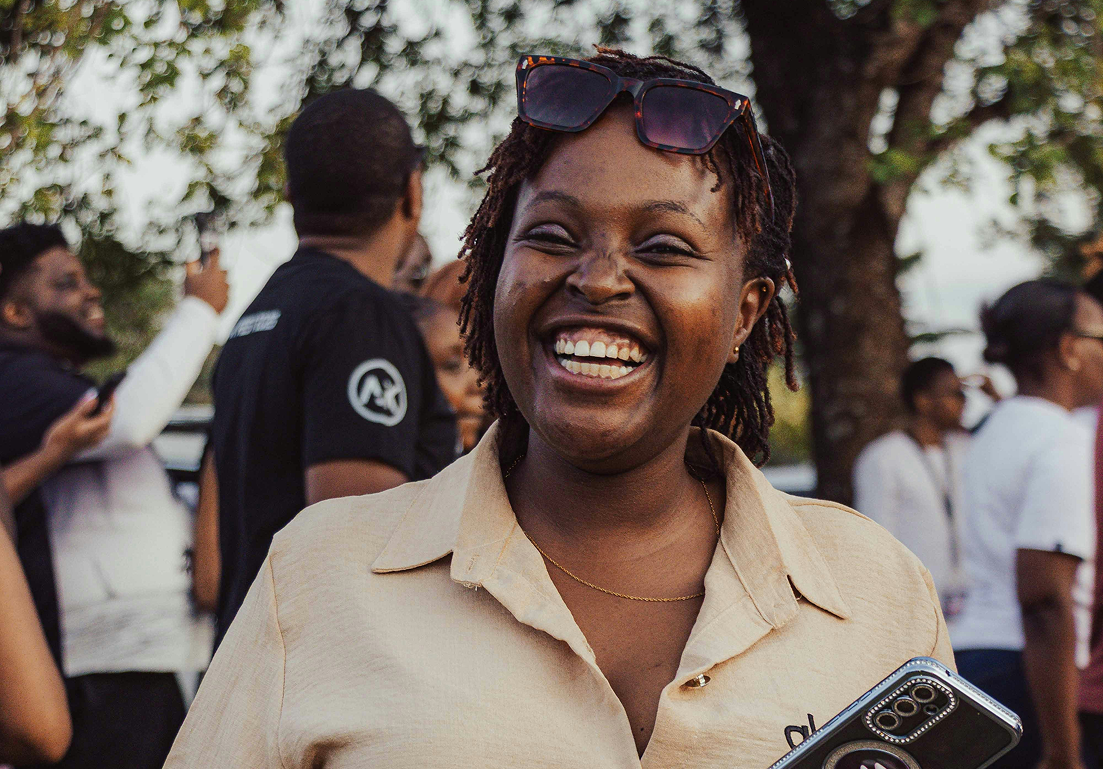
FAME Week Africa 2026 did just that, gathering over two thousand delegates for three days of creativity, connection and conversation, exploring new ideas and celebrating the individuals who shape Africa’s creative and screen industries.
The plot this year was distinct: to export the stories that entertain, surprise and connect us, while supporting an industry in which the people behind those stories can grow and thrive.
Ahead of the official opening of Fame Week Africa 2026, Brand South Africa and US-founded AfriNova Entertainment Group - now with a footprint in South Africa – hosted a Mixer with key players in the creative sector at Lourensford Estate, home of the NV Film Studios that has housed over 300 productions in three years.
Facilitated by South African Creative Director and Play Your Part Ambassador Imraan Christian, an engaging fireside chat with NV Film Studios Chair, Simo Kubheka and CEO of AfriNova, Autumn Bailey-Ford sparked dialogue and ideas on how to collaboratively move the industry forward.
“The season we are in right now marks an important time to drive the process of change”, shares US Producer Autumn Bailey-Ford. “Until five years ago, I was the only woman, and woman of colour in ninety- five percent of the rooms I was invited into. My legacy then, is about opening doors for aspiring filmmakers and figuring out how to produce our best collaborative work. Talent is essential, but it requires the right tools to grow.”
Our Creative Economy as a Nation Brand Asset
This dialogue and many others of its nature that were held at FAME Week Africa 2026, reaffirmed the idea that South Africa’s creative industries are not only a source of cultural expression and national pride; they also contribute to economic opportunity, employment, skills development, tourism and international partnerships.
The South Africa Cultural Observatory cites the 2025 Capstone Report on the Economic Mapping of the Cultural, Creative and Sports Industries, stating that our cultural and creative Industries account for roughly 3% of South Africa’s GDP, while Sport contributes just under 1%, showing signs of rapid growth.
What makes FAME Week Africa an integral part of the growth story?
Strengthening South Africa’s reputation requires more than visibility. It requires authentic storytelling, credible experiences and collaboration among government, business, civil society and the creative sector.
Each year, FAME Week Africa identifies the relevant voices, platforms and institutions needed to grow the creative economy and strengthen the position of South African storytelling domestically and internationally.
Brand South Africa has identified this strategic platform as a collaborative opportunity to introduce global audiences to our creatives, our culture, and our potential, while challenging assumptions, sparking curiosity and building connections across borders.
Our Chief Marketing Officer, Ms Mmaphuti Rankapole-Tshifularu delivered an address on the Importance of Investing in the Creative Economy at the AfriNova Mixer, participated in the official FAME Week Africa Opening Ceremony, and showed unwavering support for diversity at the Inclusive Lens Awards. As we celebrate 30 Years of our Constitution, platforms such as the Inclusive Lens Awards grants us the opportunity to think, create and narrate South African stories outside the box, or better yet, dismantle the box.
With Africa’s creative economy currently worth $60 billion (USD), we dig deep to determine whose stories are being told, whose voices are missing, and how we can create more opportunities for the next generation of storytellers. African storytellers.